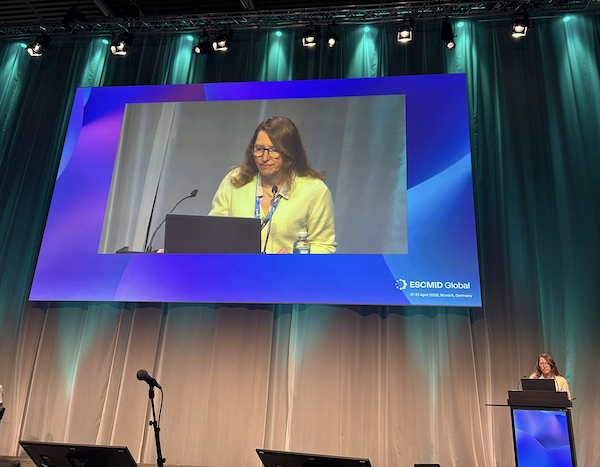
Over the past few weeks, I’ve been caught in the flurry of the early-spring conference season, crisscrossing continents to take part in that most ritualistic of scientific pastimes: networking, giving talks, sliding through poster sessions, drinking bad coffee from steel containers, frequenting foreign bars, fighting jetlag and never quite getting enough sleep in a series of anonymous hotels. Business travel, something that I used to love, has now become a chore whose ending I anticipate.
Conferences were much more exciting as a young, early-career researcher, when every contact felt like an instant friend and every new city, a gift. Travel memories as a PhD student and postdoc are branded into my mind, sporadic but intense: a smoky basement bar in Kyoto. Eating street food in the sulphur-yellow air of Beijing. The leafy greenness of Cold Spring Harbor on Long Island. An ocean-side bar in San Diego, a wine cellar in Berkeley, a snow-heaped square in Boston. A boat on Bingen am Rhein, or on the Seine under a flashy Eiffel Tower. A monastery in Sicily, where the Franciscan friars rode mopeds around the estate and made morning bowls of perfect lattes and decent red wine with dinner, clay tiles flying off the roof and smashing on the courtyard during a windstorm heavy with Saharan dust. A chilly afternoon in Philadelphia with snowflakes spiralling down when, still unbeknownst to me, I carried a child that I lost a few months later. Swimming in the hot air and cool sea with other delegates in Sorrento. Stifling summers in Washington DC, in Columbus, Ohio, drugged crickets whirring in breathless hot nights. A ferry to Bainbridge Island off Seattle; a cliffside venue in Portugal; a winter restaurant with flickering candles in Copenhagen. How privileged my life has been, and how strange to now feel the same privileges to be burdensome.
When you are young, everything feels like an adventure, and your fellow travellers, like comrades in arms. When you are older, you retire to the bar with the other aging principal investigators to enjoy academic gossip and a quiet drink before tucking yourself into bed by 10 – but wake to WhatsApp messages on the lab channel, full of videos of your team riding a mechanical bull under disco lights at 1.30 AM in Nashville. And you wonder when that transition happened, and feel a little pang of loss.
But it is the domestic situation that holds my heart in thrall. When I leave my garden, I feel like I’m saying goodbye to a close friend, and when I return home, I mourn having missed the peak of this tulip variety or of that bluebell, and marvel at the three-inch layer of goosegrass that has overwhelmed everything else in my absence. My son, aged 12, going on 40, has somehow grown two inches and become twice as articulate. Time pushes forward, relentless and inevitable, whether I am there to witness the transition or not.
In the abstract, I know that scientific travel is irreplaceable. No hybrid lurking can replace the flesh-and-blood interactions of a few intense days of scientific exchange; no publication can substitute for a senior author up on the podium, publicising its highlights, and no email exchange can supersede the warm, spontaneous dialogue that happens when two or more academics put their heads together and scientific sparks fly. I’ve returned from my travels with a list of new ideas and a half a dozen potential collaborations under discussion, and I look forward to seeing how those pan out.
And yet…as I sit here on my back patio in the fading afternoon light of the weekend, I am weary of my travels and relieved to be home, the quiet center where all of my fervent ideas can rest.